Bikes
Bikes Vans
Vans Motorhomes
What Is a Scrapped Vehicle and What Does It Mean?
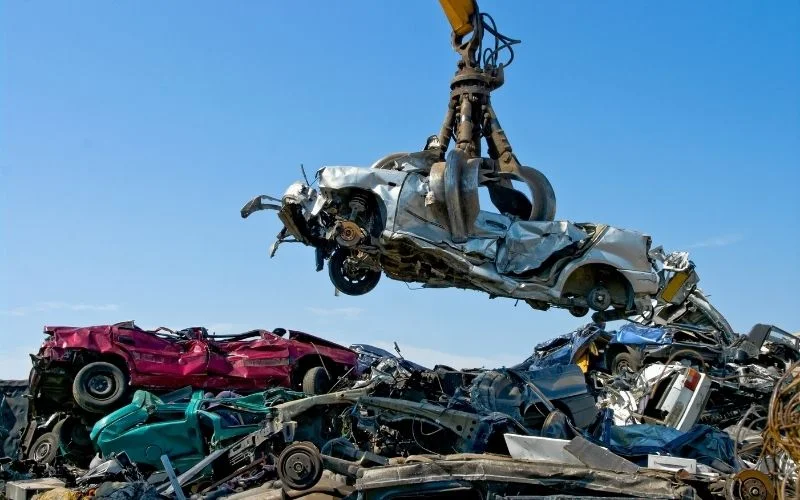
When we say a vehicle has been scrapped, we mean it has reached the point where it is no longer considered worth repairing and is being disposed of instead. This often follows major accident damage, severe structural problems, or a level of wear that makes safe repair unrealistic. In simple terms, the vehicle is being treated as the end of the line, not as a car that should go back into normal use.
In many cases, this decision comes down to cost, safety, and condition together. A car may look repairable from the outside, but once the damage affects key areas of the structure or the repair bill climbs too high, keeping it on the road stops making sense. That is why some vehicles are dismantled for usable components while the rest is recycled as scrap metal.
A scrapped vehicle is not just an old or damaged car. It is a vehicle that has been removed from normal motoring life because repair is no longer the sensible outcome. That matters whether you are the registered keeper, dealing with a damaged car after an accident, or buying a used car and want to understand its true past.
This is also why a scrapped car check is important. If you see a scrap marker against a vehicle, it means the car has been flagged as scrapped and should be treated with serious caution.
Scrapped, Written-Off, or SORN: What's the Difference?
These three statuses are often confused, but they do not mean the same thing. If you are looking at a used vehicle, understanding the difference can save you from a very expensive mistake.
Written-off vehicle
A write-off means the vehicle has been assessed as uneconomical to repair by insurance companies, but that does not always mean it is gone forever. A write-off does not always mean the car is destined for the scrap heap.
In UK insurance terms, Category S and Category N are repairable write-offs. Cat S means the vehicle has suffered structural damage, while Cat N means the damage is non-structural. In both cases, the insurer may decide the repair is uneconomical, but the vehicle can still be repaired and returned to the road if the work is done properly.
Category A and Category B are different. These are non-repairable classifications. Cat A vehicles are intended for full destruction, and Cat B vehicles must not return to the road, although some parts may be salvaged from them.
Scrapped vehicle
This is the most serious of the three. A scrapped vehicle has been permanently removed from use and should not return to the road. If you are unsure and want to check if a vehicle is scrapped before you commit, a vehicle scrap check helps you spot that status early.
SORN vehicle
A vehicle with a SORN status has simply been declared off the road for now. It is untaxed and should not be driven on public roads, but it has not been permanently removed from the system. Once the owner sorts out tax, insurance, and roadworthiness, it may be used again.
DVLA Scrapped Car Records Explained
The DVLA keeps the official record of whether a vehicle has been scrapped, deregistered, or permanently removed from use. This means the DVLA database is the key place that confirms whether a vehicle has reached the end of the road in legal terms. If you want to check if a car has been scrapped, the DVLA register is the record trail that matters.
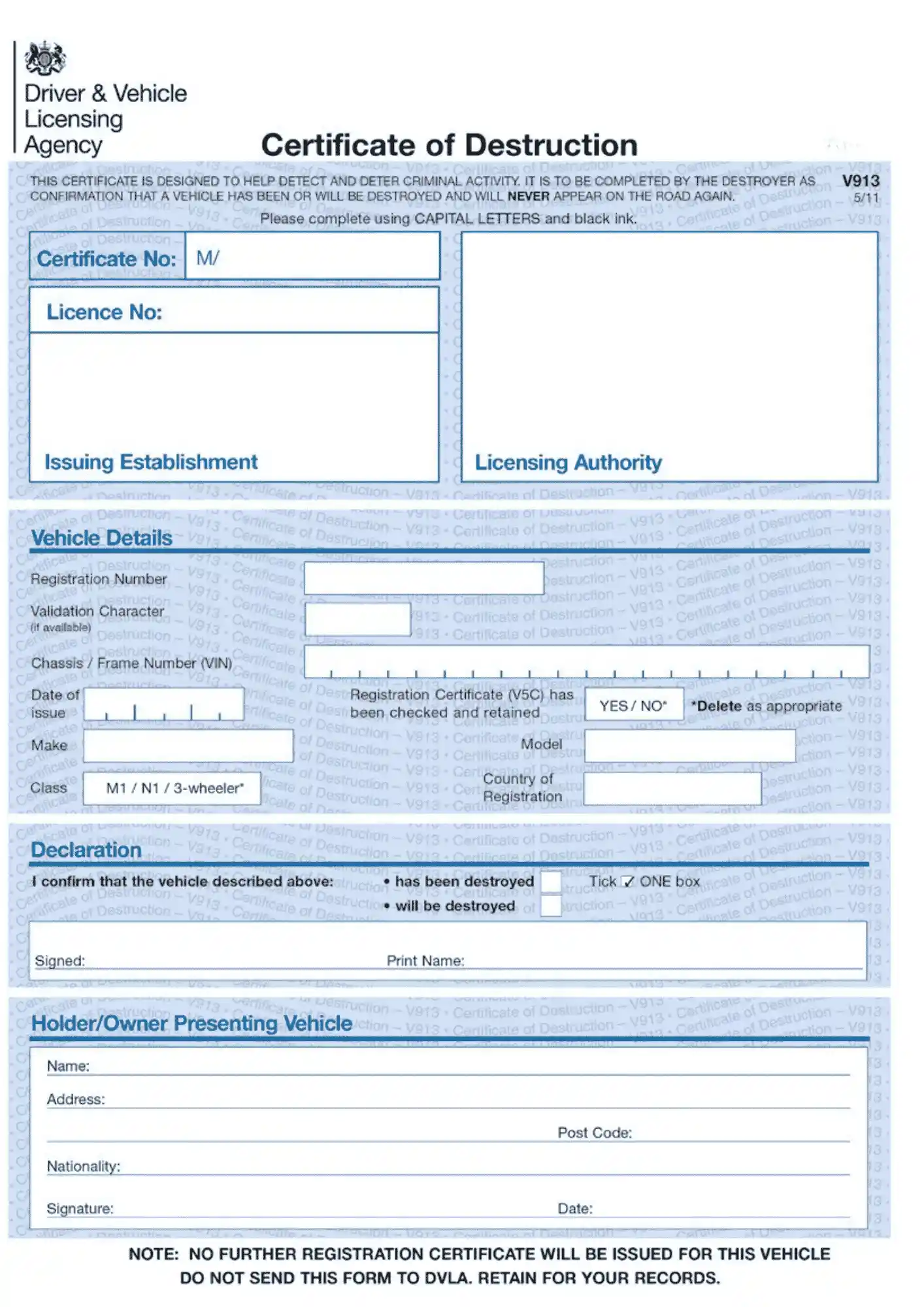
These records are normally created after an Authorised Treatment Facility (ATF) processes the vehicle. Once the car has been dismantled, crushed, or recycled by an Authorised Treatment Facility (ATF), the ATF issues a Certificate of Destruction (CoD). That certificate acts as proof that the vehicle has been officially destroyed, and the DVLA record is then updated accordingly.
A DVLA scrap record is not usually updated immediately when a car arrives at a scrap yard. The status is typically updated once a valid Certificate of Destruction is received and processed, so there can be a short delay of a few working days before the change appears. If someone is asking, has my car been scrapped, and the record has not been updated yet, timing is often the reason.
In most cases, the DVLA record links the scrappage event to the vehicle registration number and the details submitted by the treatment facility. That is why a proper record is more reliable than taking a seller’s word for it. If you are running a certificate of destruction check or trying to confirm disposal history, you are really looking for proof that the scrappage process was officially recorded, not just claimed.
What Our Free Scrapped Car Check Includes
When you run our DVLA scrapped car check for free, we show you the key details you can review straight away before paying for anything. This gives you a quick first look at the vehicle and helps you decide whether it is worth taking the next step.
With the free check, after you simply enter the registration into our car reg check, you can see:
- DVLA registration details
- Basic vehicle identity information
- Current tax status
- Current MOT status
- Key details to help verify the vehicle
That free result is useful as an initial check. It helps you spot obvious issues early, whether you are comparing adverts or viewing a car in person.
If you want the deeper risk checks, the £7.99 upgrade gives you the details most buyers really care about before they commit. This gives you a deeper view of the vehicle’s history instead of relying on basic information.
With the £7.99 upgrade, you can see:
- Scrapped vehicle records
- Certificate of Destruction history
- Insurance write-off data
- Whether the car has outstanding finance
- Other important history flags linked to the vehicle’s past
How to Check if a Car Has Been Scrapped (Step-by-Step)
Running a scrap car check with us is straightforward. If you are buying a used car, check the vehicle before money changes hands, not after.
Step 1: Enter the registration
Start by entering the vehicle registration into our car scrap check tool. This pulls the core vehicle record together so you can begin checking for signs that the car may have been reported as scrapped.
Step 2: Review the free DVLA data
We show you the key free details first, so you can quickly assess whether the vehicle matches what the seller has told you. This gives you a useful first filter before you go any further.
Step 3: Upgrade for the deeper history
If you want stronger proof, upgrade to check for records linked to scrappage, including whether the vehicle has been declared scrapped or issued a Certificate of Destruction. This is the stage that helps uncover the kind of hidden history a basic listing or seller conversation will not show, including any salvage record that adds more context to the vehicle’s past.
A practical way to use this is before a viewing or just after one. If a car looks good in photos but something feels off in person, running the check can help you decide whether to keep going or walk away.
How to Ensure You’re Not Buying a Scrapped Car?
To avoid purchasing a badly damaged or scrapped vehicle, carefully examine the paperwork and do not simply take the seller’s word for it. Some sellers may conceal a car’s history in order to make a quick sale. You can get an instant report using our registration checker to find any hidden data, such as whether the vehicle has been scrapped or the car has outstanding finance, so you can buy with confidence.
When Should You Scrap Your Car? Key Reasons & Best Practices in the UK
Scrapping a car is sometimes the best decision, especially when the cost of repairs outweighs the car's resale value. In the United Kingdom, cars may be scrapped because they are too old, too badly damaged, or no longer economical to repair.
However, if an insurance company declares your car a write-off, that does not always mean it will be scrapped. Category S and Category N vehicles can often be repaired and returned to the road, while Category A and Category B vehicles must not return to the road.
If your vehicle is no longer roadworthy but still contains valuable parts, you can SORN it (Statutory Off Road Notification), remove the usable bits, and scrap the remainder.
- Important: If you remove parts yourself before scrapping, be careful not to turn the vehicle into a stripped shell with fluids, batteries, or other hazardous components still in place. In the UK, an end-of-life vehicle must be depolluted by an Authorised Treatment Facility (ATF), and a vehicle that has not been fully depolluted can be treated as hazardous waste. Because ATFs operate under environmental permit rules, a heavily stripped shell can create extra compliance or acceptance issues, so it is safer to treat DIY dismantling with caution.
Once the vehicle is scrapped through an Authorised Treatment Facility (ATF), the ATF issues the Certificate of Destruction (CoD), and the DVLA record is updated to show that the vehicle has been permanently removed from use.
If you have not received the CoD, check the latest DVLA guidance and make sure the transfer or disposal has been recorded correctly. This ensures that everything is legal and that you will not be held liable for the car after it has been scrapped.
What if I don't have the V5C logbook?
Yes, you can still check the vehicle even if the V5C logbook is missing. A missing V5C does not stop you from running a registration check with us, but it should make you more careful, especially if the seller seems vague or keeps changing their story.
Start with the registration as normal, then use a vehicle history lookup and look for the VIN on the chassis plate or at the base of the windscreen. The safest approach is to cross-check that VIN against the vehicle details you have been given, so you know the car’s identity is consistent and not being misrepresented.
If the registration details look fine, but the VIN is missing, altered, or does not match, treat that as a serious warning sign. In that situation, it is smarter to pause the deal than rush into buying a vehicle with an unclear identity or history.
If you already own the vehicle and the logbook is missing, focus on matching the registration, VIN, and any paperwork you still have. The key is to make sure the vehicle identity is consistent across every detail you can verify. If anything does not line up, stop and resolve the discrepancy before relying on the record, selling the vehicle, or making any decisions based on its history.
FAQs About DVLA Scrapped Car Check Free
How can I check if a car has been scrapped?
You can check by entering the registration into our scrapped car check tool and reviewing the result against the vehicle in front of you. The aim is not only to confirm whether the car has been scrapped, but also to identify warning signs that suggest its history may not be accurate. A deeper history check can also help you see related risks, such as write-off records or outstanding finance, which often matter just as much before you buy.
Can a scrapped car be put back on the road?
No. Once a vehicle has been officially recorded as scrapped, it should be treated as permanently removed from road use. That is very different from a repairable write-off, which may sometimes return to use after proper repairs.
What happens if I unknowingly buy a scrapped car?
If you unknowingly buy a scrapped car, the problem is not just that you may have overpaid. A scrapped vehicle is not something you should treat as a normal road car. In practice, you may be unable to tax it, it is unlikely to pass an MOT, and you could face insurance problems, leaving you with a vehicle that cannot be used legally on the road.
If you drive it anyway, the issue can quickly become a legal one, not just a bad purchase. Driving without insurance is illegal, and enforcement can include penalty points, fines, possible disqualification, and even seizure of the vehicle. Separate penalties can also apply for keeping an uninsured vehicle that has not been properly declared off the road.
So the real risk is this: you may have bought a vehicle that cannot be treated as a normal, road-legal car. That is why checking the scrapped status before you buy matters so much.
Is it illegal to sell a scrapped car?
Selling a scrapped car as if it were a normal, roadworthy used vehicle is a serious problem. The real issue is misrepresenting the vehicle as roadworthy when it has been officially scrapped.
For example, selling a vehicle for parts, recovery, or non-road use is very different from advertising it as a car ready for everyday driving. If a seller hides the scrapped history or presents the vehicle in a misleading way, that moves into dishonest territory and can create legal consequences.
For buyers, the practical point is simple. If the story, paperwork, and vehicle condition do not line up, do not rely on the advert alone, and verify the vehicle properly before going any further.