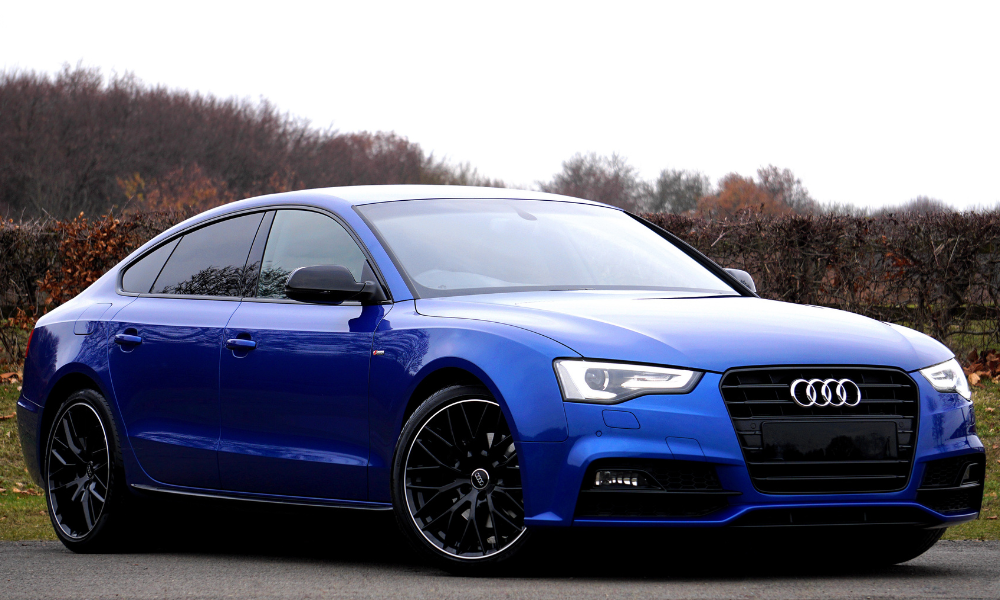
The Audi A6 is a brilliant executive car, but buying a neglected one is a fast track to a devastating repair bill. If you're buying used in the UK, the biggest red flags to watch out for are failing Multitronic gearboxes, short-circuiting mild-hybrid electrical systems, and neglected timing belts or chains that are ready to snap and destroy the engine.
A lot of buyers love the sharp styling and the practicality of the Avant estate. But under the bonnet, these cars pack a lot of complicated engineering that needs proper upkeep.
Audi A6 Generations in the UK: C6, C7, and C8 Explained
You can't just talk about the A6 as one single car. The specific Audi A6 problems you'll face depend heavily on which generation you buy.
Audi A6 Generation Comparison Matrix
| Generation | Years | Key Mechanical Risks | Key Characteristics |
| C6 | 2004–2011 | Multitronic CVT failure, TFSI oil burning | Basic infotainment, aging components |
| C7 | 2011–2018 | S Tronic clutch wear, water ingress (rear LEDs) | Modern styling, sweet spot for value |
| C8 | 2018–Present | 48V starter-alternator short circuits, MMI glitches | Mild-hybrid systems, dual touchscreens |
The older C6 generation is dirt cheap now, but that means you're dealing with serious age-related wear and tear and a lot of Audi A6 issues. Then there's the C7 generation, which is the sweet spot for a lot of buyers right now. It looks modern, but prices have dropped. Finally, the C8 generation is loaded with tech, which shifts the reliability concerns over to software and hybrid systems.
It doesn't matter if you choose the Saloon or the practical Avant. Underneath, they share the exact same mechanicals and the same common faults. Unsurprisingly, everyone wants the high-spec 'S Line' or 'Black Edition' models for their sharper looks and bigger wheels.
However, that stiffer setup gets absolutely battered on rough UK roads. On your test drive, listen carefully for any knocking over speed bumps and check the tyres for uneven wear. Both are clear signs that the suspension needs an expensive overhaul.
Audi A6 Engine Problems: TDI and TFSI Mechanical Faults
The engine you choose dictates how reliable your A6 will be. The common faults change drastically depending on whether you go for petrol or diesel, and what size engine is sitting under the bonnet.
2.0 TDI & 3.0 TDI Diesel Faults: DPF Blockages and EGR Leaks
You will find diesel models everywhere on the UK used market. The 2.0 TDI was the absolute favourite for company car drivers, but it definitely has its quirks. One of the most common issues is an internal coolant leak coming from the EGR cooler. It is a sneaky problem. You won't see any puddles under the car, but you will notice the coolant tank level slowly dropping over time.
Buying a diesel A6 for short urban commutes is a recipe for disaster. The Diesel Particulate Filter (DPF) needs regular motorway journeys to get hot enough to burn off soot.
If the filter becomes fully blocked, the car protects itself by dropping into limp mode, leaving you with very little power. This usually triggers a Check Engine Light and a P2002 fault code. Getting the car running right again typically requires paying a specialist £200 to £300 to professionally clean the system.
TFSI Petrol Issues: Timing Chain Stretch, Oil Consumption, and Turbo Starvation
If you think petrol models are the safer bet, think again. Early 2.0 TFSI engines (the EA888 Gen 2 units built up to 2012) left the factory with flawed piston rings. These faulty rings let engine oil seep directly into the combustion chamber, causing the car to burn up to a litre of oil every 1,000 miles. Before buying any C6 or early C7 petrol model, demand to see a receipt proving the engine has been rebuilt with revised piston rings.
If you thought the oil consumption was bad, a failing timing chain tensioner is an even bigger nightmare on the 2.0 TFSI. When you start the engine from cold, listen very carefully for a loud, metallic rattle coming from the back of the engine. That noise is the sound of a failing tensioner, which usually triggers a P0016 fault code on the dash.
If that timing chain stretches too much and slips, the pistons will smash straight into the valves. That is an instant, catastrophic engine failure. At that point, the cost of rebuilding the engine will probably be more than the entire car is actually worth. As a side note, it is also worth keeping an eye out for failing fuel injectors, which will cause the car to idle very roughly.
For buyers hunting for a high-performance S6, the 4.0 TFSI V8 engines have a massive weak point: turbocharger oil starvation. Audi issued a UK safety recall R/2022/132 for 4,690 of these twin-turbo V8 models. The original oil-strainer mesh supplying the turbos was too small and easily blocked. Audi's fix was to install a larger-mesh component.
If a previous owner ignored this recall, the restricted oil flow will eventually blow the turbos. The telltale sign is a distinct whistling noise when you accelerate, often paired with a P0299 turbo underboost fault code. Always check the MOT history for emissions failures or notes about heavy exhaust smoke.
Most importantly, do not buy one of these V8 models without paperwork confirming the dealer recall was completed.
Gearbox and Drivetrain Problems: Multitronic vs S Tronic
A broken automatic gearbox is every buyer's nightmare. Replacing one at a specialist usually costs anywhere from £3,000 to £5,000. You need to know if the car has the Multitronic (CVT) or the S Tronic (dual-clutch) because they break in very different ways.
Multitronic (CVT) Gearbox Failure on Front-Wheel Drive Models
You'll find the Multitronic CVT on front-wheel-drive C6 and early C7 cars. It uses a chain-driven setup that just doesn't last. A lot of them blow up between 60,000 and 100,000 miles.
When it starts to fail, you'll first notice a distinct hesitation from a stop. Eventually, the car will jerk and shudder badly when you pull away, and then it just won't drive forward at all. You'll also see the "PRNDS" lights flashing on the dashboard.
Replacing the mechatronic unit or the whole gearbox will set you back at least £3,000. Because of this, the CVT models are easily the biggest gamble on the used market.
7-Speed S Tronic (DSG) Juddering and Mechatronic Faults
You will usually find the 7-Speed S Tronic gearbox on Quattro four-wheel-drive models, and it became the standard choice on the newer C8 generation. It offers a much better driving experience than the old CVT, but it is not bulletproof. It is prone to dual mass flywheel (DMF) wear and expensive mechatronic faults.
The best way to test it is to drive the car in slow, stop-start traffic. If the gearbox clunks hard when shifting from first to second gear, or if it hesitates when pulling out at a roundabout, the clutch packs are likely shot.
Keeping an S Tronic gearbox alive comes down to one thing: regular fluid changes. A solid service history is absolutely vital here. Audi UK currently recommends replacing the S Tronic oil every 38,000 miles, though this can vary slightly depending on the exact model. Never buy an S Tronic A6 unless you can see clear documentary proof that the gearbox has been serviced on time.
Electrical Glitches, Mild-Hybrid Recalls, and Suspension Issues
Modern Audis are packed with tech, and that massive electrical system brings its own set of expensive problems.
The 48V Belt-Driven Starter-Alternator Recall (C8 Generation)
When Audi introduced the 48V mild-hybrid setup on the 2018–2020 C8 models, it brought a serious safety risk. The 48V starter-alternator problem was serious enough to trigger UK safety recall R/2020/138, which covered 34,982 Audi vehicles.
The official recall states that moisture could enter the belt-driven starter-alternator, requiring replacement on affected cars. If you're looking at a C8, you absolutely have to call an Audi dealer and check that this recall work has been done. Ignoring it is not an option, because that moisture can short-circuit the entire system and potentially start a fire.
Water Ingress, MMI Infotainment Freezes, and Air Suspension Leaks
Annoying electrical gremlins tend to show up differently depending on which generation you buy. On the C7 models, water frequently leaks into the rear LED light clusters.
You also need to watch out for blocked drainage holes under the windscreen. If these get clogged with dead leaves, rainwater will flood into the passenger footwell. Once that happens, it wreaks havoc on the electronics and causes severe battery drain.
Newer C8 models have issues with the MMI infotainment system crashing. Screens freeze or go completely blank while you're driving. Fixing these software bugs usually means a trip to the dealer for an update.
If you buy a high-spec model with Adaptive Air Suspension, the rubber air struts will eventually leak. When that happens, the car sags and looks wonky when parked up. New air suspension parts cost over £800 per corner.
UK Ownership Costs: Servicing, Road Tax, and ULEZ Compliance
Running a big Audi isn't cheap. Costs change a lot depending on whether you use a main dealer or a local specialist.
Post-April 2017 VED Luxury Tax Warning
Because the Audi A6 is a premium vehicle, many models originally retailed for over £40,000. If you buy a post-April 2017 model that hit this list price bracket when new, you will have to pay an annual VED luxury car supplement of nearly £400 on top of the standard road tax rate for five years (starting from the car's second year on the road). Always verify the original list price to avoid unpleasant surprises when taxing the car.
Is the Audi A6 ULEZ Compliant?
If you drive into cities, emissions zones are a big deal. Pretty much all petrol TFSI models registered after 2006 meet Euro 4 standards, so they avoid the London ULEZ and other Clean Air Zone charges.
Diesel models are a different story. A diesel A6 has to meet Euro 6 standards to get in free. If it was registered before September 2015, you'll probably get hit with the £12.50 daily charge. So if you commute into a city, you need a newer diesel or a petrol.
The Used Audi A6 Test Drive and Background Checklist
You need a solid checklist to avoid getting ripped off by dodgy sellers. Just looking over the paintwork is never enough. If possible, bring an OBD2 reader to run a quick diagnostic scan for hidden fault codes.
Uncovering Hidden Accident Damage and Write-Off Status
Insurance companies write these cars off pretty easily because parts and labour are so expensive. Look closely at the bodywork. Uneven panel gaps, mismatched silver paint, or overspray in the wheel arches are classic signs of a cheap repair job.
But you can't spot everything by eye. A background check will reveal if the DVLA has it logged as a Category S or Category N write-off. Seeing the actual auction photos of the damaged car tells you exactly what you're dealing with.
Validating Outstanding Finance and Mileage Integrity
Most of these cars start life as company fleet vehicles on PCP or HP finance. If you buy a car that still has finance on it, the finance company actually owns it. They can come and tow it away from your house at any time, and you will lose every penny you paid for it.
You also need to watch out for 'clocking', which is still a massive problem with high-mileage ex-fleet cars. Unscrupulous sellers will roll back the digital miles to make a high-mileage car look fresh. A thorough mileage check will scan historical DVLA and MOT records to confirm the mileage is completely genuine before you buy.
Which Audi A6 Should You Buy (and Which to Avoid)?
To keep things as simple as possible: walk away from any front-wheel-drive C6 or early C7 equipped with the notorious Multitronic CVT gearbox. The same rule applies to the early 2.0 TFSI petrol models. Unless the owner has an invoice proving a full engine rebuild for those faulty piston rings, just walk away.
If you want the smartest buy on the market, look for a post-2016 C7 facelift model. A 2.0 TDI or a 3.0 TDI Quattro paired with the 7-speed S Tronic gearbox is the sweet spot. Finding one of these with a meticulous service history gives you a highly reliable, incredibly comfortable motorway cruiser that is fully ULEZ compliant.
Frequently Asked Questions About Audi A6 Reliability
Does the Audi A6 have a timing belt or a timing chain?
It all comes down to the engine you choose. The popular 2.0 TDI diesels rely on a timing belt, which requires strict maintenance. You need to have it replaced every 5 years or 75,000 miles to avoid catastrophic engine failure.
Conversely, the bigger V6 3.0 TDI and almost all TFSI petrol engines use a heavy-duty timing chain tucked at the rear of the engine. Although these chains do not have a set replacement schedule, neglecting your routine oil changes will cause the chain to stretch and eventually fail, landing you with a big repair bill.
Why does my Audi A6 judder when pulling away?
Juddering is almost always a gearbox or clutch issue. On older front-wheel-drive cars, it's usually the chain slipping inside the Multitronic CVT.
For the four-wheel-drive Quattro models, that juddering sensation is a major warning sign. It usually means the internal clutch packs are completely worn out, or the complicated mechatronic unit inside the S Tronic gearbox is starting to fail.
Is the Audi A6 expensive to maintain in the UK?
Yes, it costs more to run than a standard hatchback. Basic servicing at a specialist is okay, but fixing electronic warning lights takes pricey diagnostic gear. If you have to replace things like Matrix LED headlights or air suspension struts, you're looking at bills in the thousands.
Final Verdict: Protect Your Investment Before You Buy
The Audi A6 is still one of the best long-distance cars you can buy in the UK. It is incredibly comfortable, beautifully built, and the four-wheel-drive Quattro versions stick to the road brilliantly in all weathers. However, it is a highly complex machine. If you skip your homework and buy a bad one, you will quickly find yourself stuck with a massive repair bill.
When buying a used Audi, a thick folder of service receipts is worth infinitely more than a shiny paint job. Unscrupulous sellers can easily hide common mechanical problems, and those hidden faults will empty your bank account incredibly fast. Never take a gamble on a car with missing paperwork.
If you are trying to find car owner details, remember that strict UK GDPR laws mean a history check will not reveal the personal names of previous keepers. Despite this, running a full background check is still vital. It will verify that the V5C issue date matches official DVLA records to prevent logbook fraud, and it will confirm that the car is completely free of outstanding finance.
The Ultimate MyCarRegCheck Pre-Purchase Checklist
Before you hand over any cash or commit to a long journey for a viewing, always run a full number plate check through our comprehensive verification tools:
- Car Write-Off Check: Uncover hidden Category S/N markers and view past auction damage photos.
- Outstanding Finance Check: Ensure the vehicle isn't legally owned by a finance company (e.g., PCP or HP).
- Free Car Tax Check: Verify the annual tax rate and see if it's hit by the £400+ luxury car VED supplement.
- Mileage Discrepancy Check: Cross-reference DVLA and MOT records to expose odometer rollbacks on ex-fleet vehicles.
- Check Car Insurance Status: Confirm the car is currently insured so you can test drive it legally.