How To Find My VIN Number Without My Car? (Infographic)
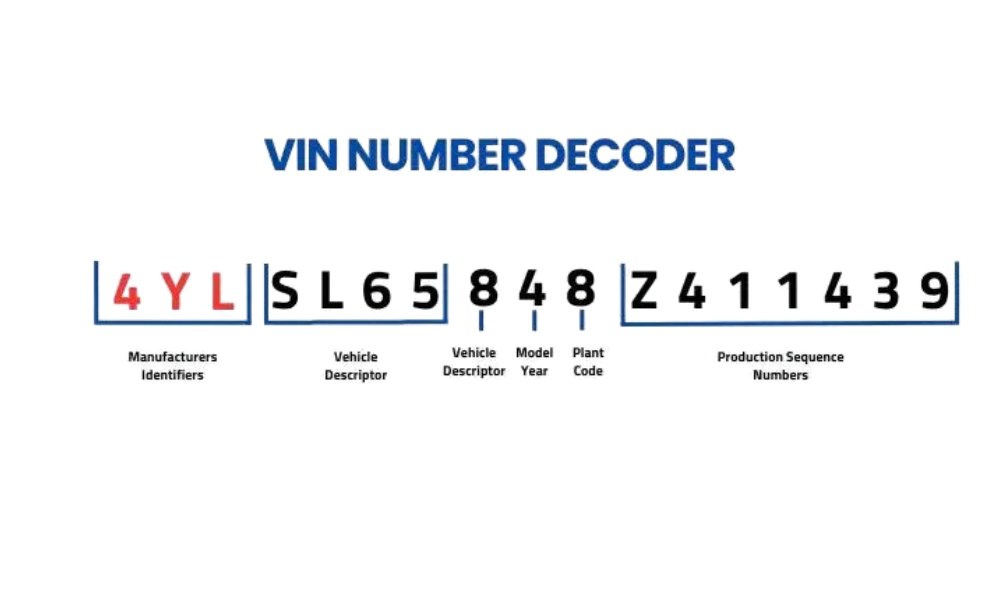
In the UK, your car has its own identity number that follows it everywhere, and this is called the Vehicle Identification Number, or VIN. Many drivers only hear about it when dealing with insurance, booking a service or filling out forms, and still wonder What Is A VIN number and why it matters. Put simply, it is a unique code that indicates your car’s make, year, and chassis number, and it is vital when you need to prove which car is yours.
This guide is for moments when your car is at the garage, parked far away, or you are dealing with paperwork from home in the UK. Instead of trying to remember where to find vin number on car without actually having it with you physically, we will show you easy ways to get it from your documents, your insurer, or your dealer.

1. Reviewing Your Insurance Details for the VIN
If you are in the UK and trying to work out how to find vin number on car without seeing the vehicle, your insurance paperwork is a very helpful starting point. Every policy that covers a specific car will list its vehicle identification number VIN, because insurers use this detail to match the right cover to the right vehicle. The VIN is a 17-character code that points to the make, model year and other key details of your car.
Begin by looking at your certificate of car insurance and your full policy schedule, as the VIN is usually printed close to the registration number and vehicle description. If you manage your policy through an online account, sign in and open the section that shows your insured vehicles, then check the main details for the car you are interested in. The VIN should appear clearly in that list of details.
If you still cannot see it, contact your insurer by phone, email or web chat and ask them what your car’s VIN is. They will ask some security questions, then read the number out or send it to you in writing once they are sure you are the policyholder.
2. Asking Your Car Dealership for VIN Information
If you still cannot find out what your car's VIN number is from your own papers, your car dealer is usually the next best person to ask. Dealers in the UK keep records of every car they sell, so their files will show car s VIN, the registration, and other key details. So you can contact them and ask what is my car VIN number. As long as they can link the record to you, they can share the number even when your documents are lost.
Contact the dealership where you purchased the car and explain that you require the vehicle s VIN to process your insurance or paperwork. Provide your full name, registration number, and approximate purchase date so that the staff can locate your file and read out the unique 17-character VIN or email it to you. This simple step often solves the problem faster than searching through old folders at home.
3. Using Vehicle Registration Records to Retrieve the VIN
In the United Kingdom, one of the most reliable ways to obtain your VIN is through your official vehicle registration records. If you have a paper copy of your V5C logbook at home, check it first. It contains your VIN numbers as well as other important information about your car. The VIN is usually printed near your registration plate number.
If you use online services from the DVLA or another vehicle authority, you may be able to access the same information via a secure digital account. Once you have signed in, navigate to the section that displays your registered vehicles and check the data for your vehicle, including the engine type and VIN. If you still can not find it, you can contact the registration office directly and request assistance, as long as you can prove you are the registered keeper.
Where to Find Your VIN Number?
1. Checking Your Vehicle Paperwork for the VIN
Your paperwork is usually the quickest answer when you are stuck at home and wondering where can I find my VIN number on my car. Begin with your V5C logbook, which includes the VIN as well as your registration and basic vehicle information. Take a moment to read it carefully so you do not miss the small print.
Next, look through your car insurance schedule and certificate, because your insurer must record the VIN to provide cover. Old service receipts, MOT paperwork and finance or lease agreements can also show the same number, printed near your registration or vehicle description. By checking each of these documents in turn, you can usually find the VIN without physically checking the car.
2. Finding the VIN Directly on Your Car
When you can get to your vehicle and want to know where is my VIN number on my car, start by looking through the windscreen at the bottom of the glass on the driver s side. The number is often stamped on a small metal plate mounted on the top of the dashboard and visible from outside the vehicle.
Next, open the driver's side door and look along the door frame for a VIN sticker. If you can not find it, open the hood and look around the engine. Many cars have the number stamped or labelled near the engine block. You can also look in the boot and around the spare wheel well because some manufacturers place the VIN there as well, making it easier to find if the other locations are unclear.
3. Additional Spots Where VINs May Appear
If you still can not find the VIN in the usual spots, there are a few more places to look. Some car manufacturers stamp the number on the front chassis near the radiator, so you may have to crouch down and look closely. It may also be found inside the rear wheel arch, though this is more difficult to see if there is dirt or rust.
Another place to look is the metal floor under the front passenger seat, sometimes hidden beneath the carpet. The VIN can also appear on the firewall, which is the solid panel that separates the engine bay from the cabin. You can do a vehicle check and see these areas when the more obvious labels are missing.
VIN Numbers and Your Vehicle’s Background
How VIN Tracks Vehicle History
Every car on UK roads has a Vehicle Identification Number, and this code quietly keeps a record of the vehicle over time. Whenever the car is registered, sold, written off, repaired after a major crash or called back for a safety recall, those events link back to the VIN as part of car s history. This makes the VIN one of the most useful details you can have when you want to understand what a car has been through before you drive it.
When you are looking at a used car, a simple VIN lookup can show past accidents, mileage problems or gaps in servicing that might go unnoticed otherwise. How to find your VIN number online? Many trusted VIN Check sites, like My Car Reg Check in the UK, can give you a report that brings all this information together. With that report in hand, you can judge the true condition and value of the car with much more confidence.
Why Running a VIN Check Is Useful
When you are thinking about buying a second-hand car in the UK, running a VIN check is one of the safest steps you can take. A good report can show past owners, recorded accidents and major repairs, so you get a much clearer idea of how hard the car has been worked and its current condition.
VIN checks will also tell you if the car has been recalled for safety faults, which helps you avoid models that have not been fixed properly. They also compare recorded mileage with past entries, so you can spot if someone has tried to turn the clock back. All of this detail can save you money and stress, because you are less likely to experience unpleasant surprises and see unplanned costs.
Tips for Selecting a Trustworthy VIN Lookup Service
Choosing a good VIN check service in the UK matters if you want information you can trust. Look for companies that have been around for a while and that state clearly that they use data from official bodies such as government agencies and insurance firms. It is also a good idea to read recent customer reviews to determine whether other people find their reports clear and accurate.
When you compare services, check what each report actually includes. A basic report may only include the car's basic details, whereas a full report may include accident records, recall notices, mileage issues, and flags for suspected stolen cars. The more you learn before you buy, the fewer unpleasant surprises you are likely to face.
Think about whether the service can handle imported or non-UK vehicles if that applies to you. Free checks can be useful for a quick look, but a paid report often gives deeper and more detailed information that is worth the small cost.
Safeguarding Your Vehicle’s VIN Information
How to Avoid VIN-Related Scams
VIN scams can cost you a lot of money in the UK, so it is worth taking a few simple precautions to keep yourself safe. Begin by closely inspecting the VIN labels on the car, both on the dashboard and around the driver's door area, for any unusual marks, uneven stamping, or fonts that do not match the rest of the plate. If any label appears to be wrong or freshly scratched, it is safer to walk away and find another vehicle.
When looking at a used car, make sure the VIN on the vehicle matches the number on the V5C logbook, service history, and any finance documents. Be very careful with deals that seem far cheaper than similar cars, as criminals sometimes use cloned numbers to hide written-off or stolen vehicles. Keep your own documents in a safe place at home and only share your VIN with insurers, trusted garages and serious buyers.
If you ever think a VIN has been changed or copied, do not ignore it. Speak with the police and the relevant vehicle authority so that they can check the record and give you clear advice. Acting quickly can prevent the fraud from spreading and protect both you and other drivers.
Best Practices for Keeping Your VIN Data Safe
Keeping your VIN information secure is an important part of protecting your car in the United Kingdom. Your V5C logbook, insurance papers, and finance documents should be stored at home in a secure location rather than in the glove box or boot, where they could be stolen. When you clean out old paperwork, shred it so no one can piece together your information later.
Be careful about who you share your VIN with, especially online. Only give it to trusted organisations such as your insurer, a reputable garage or a serious buyer you have checked out. Do not post clear pictures of your VIN or paperwork on social media.
Check the VIN plates on your car every now and then to make sure they look like they have not been tampered with and are all the same. If you ever spot damage, tampering or VIN labels that do not match your documents, contact the police or the relevant vehicle authority for advice.
When and How to Report VIN Problems
If something does not feel right about your VIN, it is important to act straight away. Gather your V5C logbook, insurance papers and any recent history or finance reports, then check each one against the number on the car. Write down anything that does not match or looks as if it has been altered.
Next, call your local police department at the non-emergency number and explain why you believe there is VIN tampering or fraud. You should also notify the DVLA or the relevant vehicle authority, as well as your insurance provider, so that their records are updated. If you recently purchased the car, contact the seller or dealership as well, because prompt action gives everyone the best chance of making things right.